
Cedar or Pine Fencing | Which Wood Works Best in Arkansas
When it comes to building a fence in Batesville or the surrounding areas, the two most common material choices are cedar and pressure-treated pine. Both have their advantages, but which one is the right fit for your home? Let’s break it down.
🌲 Cedar Fencing: Natural Beauty & Longevity
Pros:
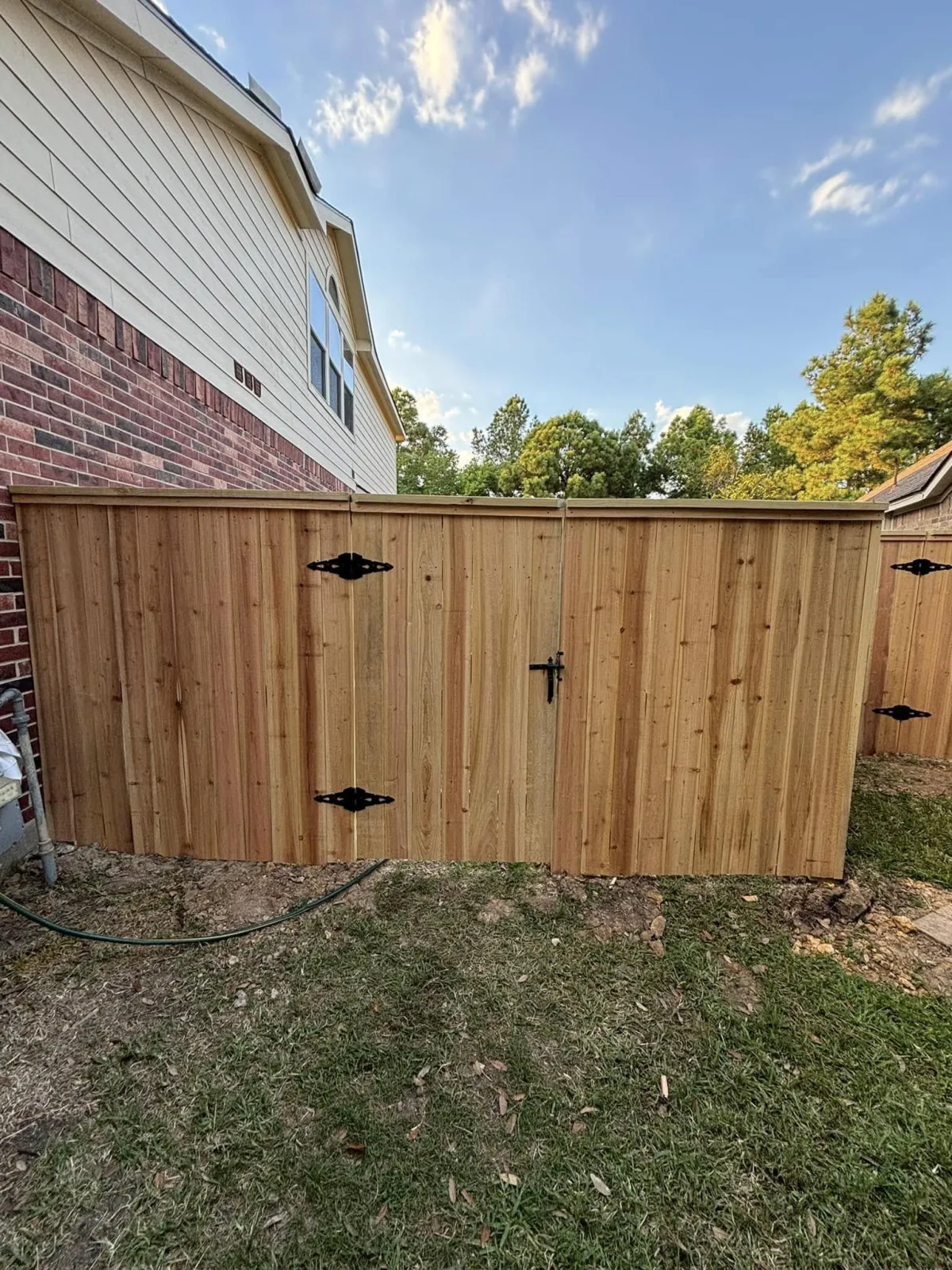
Aesthetic Appeal – Cedar has a rich, natural color and grain that looks great even without staining.
Rot & Insect Resistance – Naturally resistant to decay and pests.
Low Maintenance – Doesn’t require as much upkeep compared to pine.
Durability – Can last 15–20 years with proper care.
Stable Material – Less likely to warp, shrink, or swell compared to pine.
Lightweight – Easier to work with during installation
Cons:
Cost – Typically more expensive than pine (higher upfront investment).
Color Fading – Will weather to a gray tone if not sealed or stained.
🌳 Pressure-Treated Pine Fencing: Affordable & Strong
Pros:
Budget-Friendly – Usually the most affordable option per linear foot.
Strength – Pressure treatment makes it more resistant to decay and insects than untreated wood.
Customizable – Takes paint and stain well, allowing you to match your fence to your home’s look.
Thicker Options – Pine pickets often come in wider and thicker dimensions, which can help with strength.
Cons:
Warping & Shrinking – More likely to twist, crack, or bow over time, especially if not maintained.
Maintenance – Requires sealing/staining every 2–3 years to prolong lifespan.
Lifespan – Typically lasts 10–15 years with proper care.
Appearance – While functional, it lacks the rich, natural beauty of cedar.
🌦 Arkansas Climate: Cedar vs. Pine in Real Conditions
Arkansas fences deal with humid summers, heavy rain, temperature swings, and plenty of moisture throughout the year.
Cedar has natural resistance to decay and insects and tends to remain more dimensionally stable as conditions change.
Pressure-treated pine is also built to handle outdoor exposure, but it may be more prone to shrinking, checking, twisting, or warping as it dries and ages. Regular staining or sealing can help protect either material and improve its appearance over time.
🛠 Installation & Long-Term Considerations
Cedar is lightweight and easier to install straight and true. Installers often find cedar boards faster to work with because they stay more stable over time.
Pine, while strong, is heavier and can be harder to handle during installation. Over time, pine boards may be more prone to shrinking, checking, or movement over time, which can create gaps or uneven sections if not maintained.
If you’re planning to sell your home in the future, cedar fences can also add curb appeal and resale value, since many buyers view cedar as a “premium” choice.
Which Fence Is Right for You?
If you want long-term beauty and durability and don’t mind paying more upfront, cedar is a great choice.
If you’re on a tighter budget but still want a strong, reliable fence, pine gets the job done.
At the end of the day, the best choice comes down to your budget, maintenance preferences, and how long you plan to stay in your home.
✅ Our Recommendation for Batesville Homeowners
Both cedar and pressure-treated pine can be good choices for a privacy fence. Cedar is often chosen for its natural appearance, stability, and resistance to decay, while pressure-treated pine is a strong option for homeowners who want to keep the upfront cost lower.
The best choice depends on your budget, the look you want, and how much maintenance you’re comfortable with over time.
📞 Ready to build your new fence? Contact Cornerstone Fence & Deck today for a free estimate: (870) 376-9893
❓ Cedar vs. Pine Fence FAQs
Q1: Is cedar or pine better for a fence in Arkansas?
Cedar generally offers better natural resistance to moisture, decay, and insects because it naturally resists rot and pests, and it holds up better against humidity. Pine is a solid budget option but requires more upkeep.
Q2: How long does a cedar fence last compared to pine?
A cedar fence can last 15–20 years with proper care, while pressure-treated pine typically lasts 10–15 years. The difference comes down to maintenance and weather exposure.
Q3: Does Arkansas weather affect cedar or pine more?
Our hot, humid summers and heavy rain hit pine harder. Pine tends to warp or shrink if it’s not sealed regularly. Cedar handles the climate better and stays more stable over time.
Q4: Which fence requires more maintenance?
Pine needs more attention — staining or sealing every couple of years. Cedar can go longer between treatments, though sealing still helps it last and keeps its natural color.
Q5: Which option is more affordable in Batesville?
Pressure-treated pine is cheaper upfront, making it the budget-friendly choice. Cedar costs more, but many homeowners choose it for the longer lifespan and lower maintenance.